
Fraud Detection By
PhonePe PG
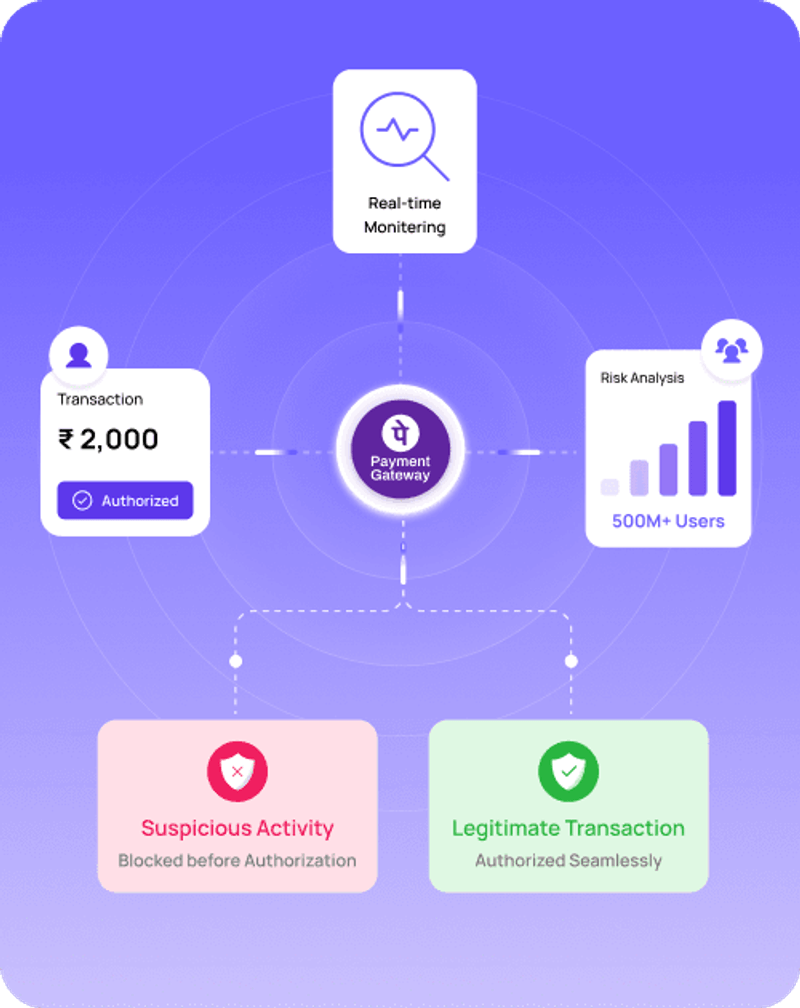
PhonePe PG runs a continuous, zero-latency fraud monitoring infrastructure that reviews transactions in real-time and transaction patterns across a vast network of over 500 million users, the gateway neutralizes suspicious activities before authorizations complete, ensuring legitimate shoppers sail through.
TRUSTED BY













Security Engine
By PhonePe PG
PhonePe PG uses advanced machine learning pipelines alongside rigid compliance frameworks to protect digital ecosystems from sophisticated payment threats.
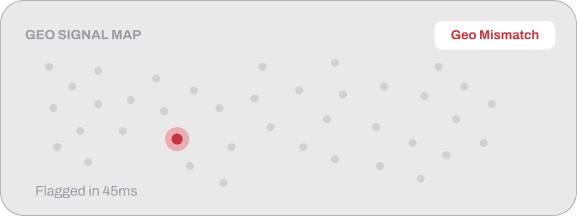
Real-Time Pattern Analysis
Detects structural data anomalies, suspicious geographic variances, and unusual card behaviours instantly during execution.
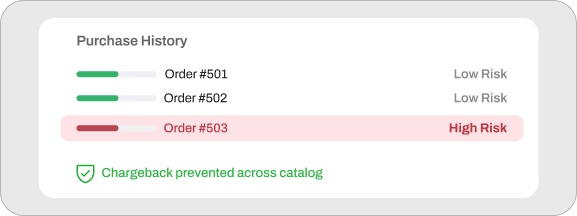
Smart Chargeback Shielding
Flags high-risk purchase attempt histories to keep fraudulent payment reversals down across your entire catalog.
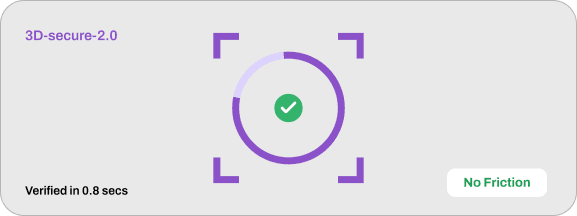
3D-Secure 2.0 Compliance
Delivers fluid identity confirmation checking without adding unnecessary verification friction for genuine buyers.
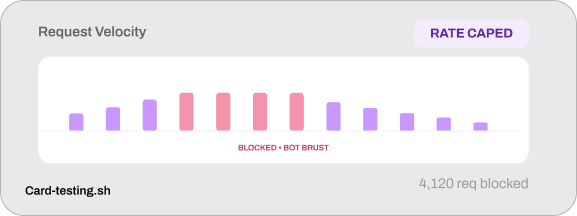
Velocity Rate Limits
Automatically identifies and blocks automated card-testing scripts or rapid automated payment barrages from malicious bots.
Defending Businesses
From Potential Threats
Every business structure confronts distinct fraud paths. Here is how PhonePe PG adapts to lock down your specific transaction environment.
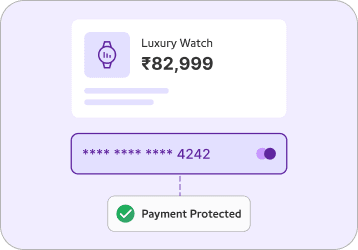
High-Ticket E-Commerce
Shield high-value electronic and designer retail checkouts from malicious proxy setups or unauthorized credit card usage.
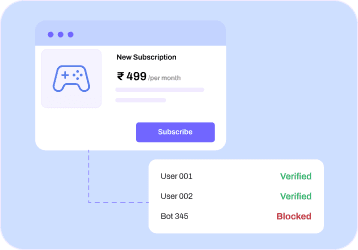
Digital Subscriptions & Gaming
Prevent digital wallet farming and rapid fraudulent resource sign-ups on software or gaming accounts.
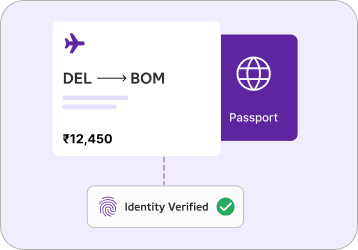
Travel Booking Channels
Halt sudden high-ticket travel chargebacks and synthetic identity purchases before booking inventory goes live.
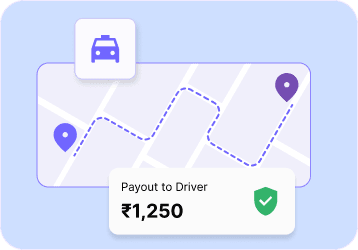
On-Demand Service Platforms
Keep dynamic location and gig payouts protected from targeted merchant or user collusion schemes.
Trusted by
India's Largest Online Brands
Trusted by India's
Largest Online Brands

"In E-commerce, the right Payment Gateway partnership is crucial. PhonePe PG streamlined our Payments, & reduced cart abandonment. PhonePe PG exceeded our expectations with a top-notch product & impeccable support.”
Suman Patra
Co-founder


"redBus is committed to redefining travel through technology. Collaborating with PhonePe PG allows us to leverage their robust Payment infrastructure, ensuring reliability and innovation for millions of our customers.”
Rithish Saralaya
SVP Engineering


"Our partnership with PhonePe Payment Gateway has been seamless and highly efficient. Their robust tech, smooth integration, & reliable support played a key role in enhancing our customer experience. We truly value this collaboration.”
Vikash Goyal
CSO


"As GIVA expands, a trusted Payment partner at every touchpoint is vital. PhonePe PG offers us reliability across our national stores and on our app. Their support scales with our growth, and that consistency makes all the difference for us.”
Ishendra Agarwal
Founder


"Our partnership with PhonePe PG has been a pivotal factor in our success story. With PhonePe PG's user-friendly interface and seamless Payment processing, we can continue delivering exceptional service to our valued customers.”
Ritu Shah & Minita Parekh
Co-founders


"Partnering with PhonePe Payment Gateway enabled us to expand our D2C business and transform period care across India. Its seamless integration and dependable partner support means our online customers' experience lives up to our brand's Zero Irritation promise.”
Ravi Ramachandran
Co-Founder & CEO

Comprehensive Solutions
Comprehensive
Solutions
To keep your Business Ahead of the Rest

Automate flexible subscriptions for steady cash flow.
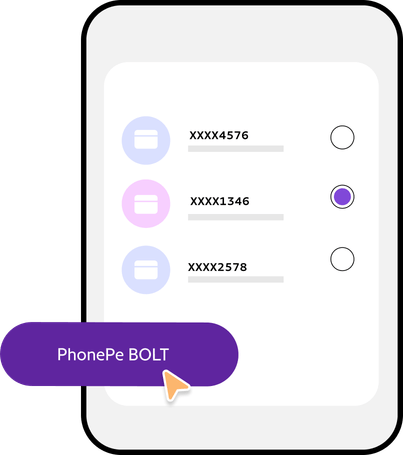
Faster, error-free checkouts using tokenized cards boost revenue.

Accept International Payments, simplify growth.

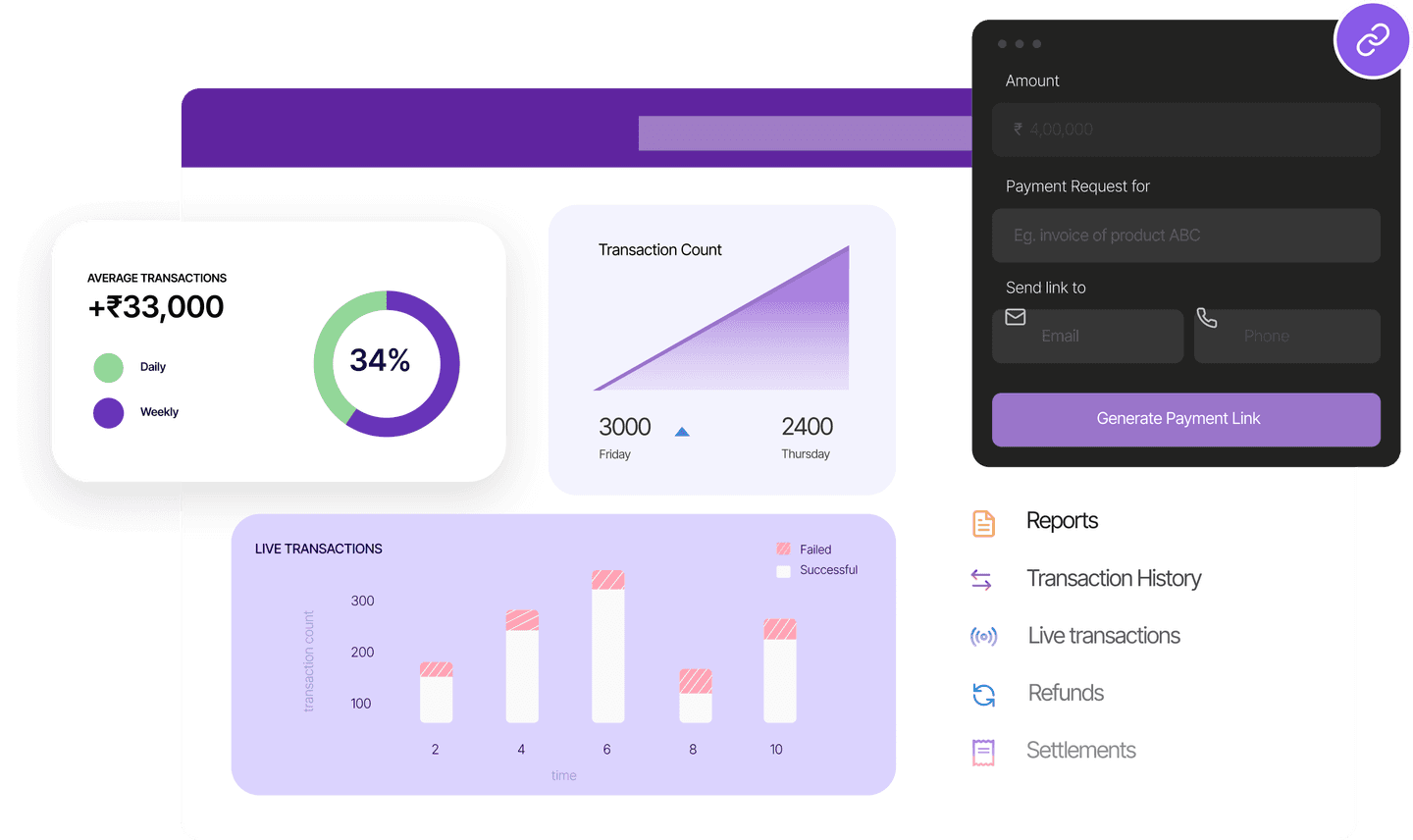
Send Payment links (WhatsApp/SMS/Email), get paid instantly

Dynamic QR codes enable UPI, reducing errors and boosting success.

Digital doorstep Payments replace COD, cutting cash handling costs.





Fraud Detection FAQs
How does PhonePe PG detect and block fraudulent transactions in real time?
PhonePe PG utilizes a risk engine that evaluates every transaction in milliseconds. It processes real-time signals including behavioral biometrics, transaction velocity, IP/location coordinates, and historical interaction patterns. If a transaction shows abnormal risk scores, the engine intervenes instantly either by auto-declining the attempt or requiring additional step-up authentication.
What are Device Fingerprinting and Device Guard, and how do they protect merchants?
Device Fingerprinting creates a unique digital ID based on a user’s hardware configurations, operating system, and network settings. PhonePe's proprietary Device Guard technology works alongside it to detect malware, bots, and unauthorized screen-sharing tools. If a compromised device or suspicious remote session tries to check out on your site, the payment gateway flags or stops the transaction immediately.
How does the Identity Graph Platform spot organized fraud networks?
PhonePe’s Identity Graph Platform builds a network map linking entities such as phone numbers, device IDs, bank accounts, and Virtual Payment Addresses (VPAs). By visualizing these interconnected data points, the risk engine uncovers hidden fraud rings and repeat offenders operating across different accounts, stopping multi-account abuse before it impacts your business.
How does PhonePe PG help lower chargeback rates and "friendly fraud"?
By combining 3D-Secure 2.0 authentication with on-device edge models that verify payment instrument possession, PhonePe PG screens out stolen card usage and invalid credentials at checkout. Intercepting high-risk attempts upfront drastically minimizes unauthorized transaction disputes and administrative chargeback headaches for merchants.
How does PhonePe PG detect and block fraudulent transactions in real time?
PhonePe PG utilizes a risk engine that evaluates every transaction in milliseconds. It processes real-time signals including behavioral biometrics, transaction velocity, IP/location coordinates, and historical interaction patterns. If a transaction shows abnormal risk scores, the engine intervenes instantly either by auto-declining the attempt or requiring additional step-up authentication.